
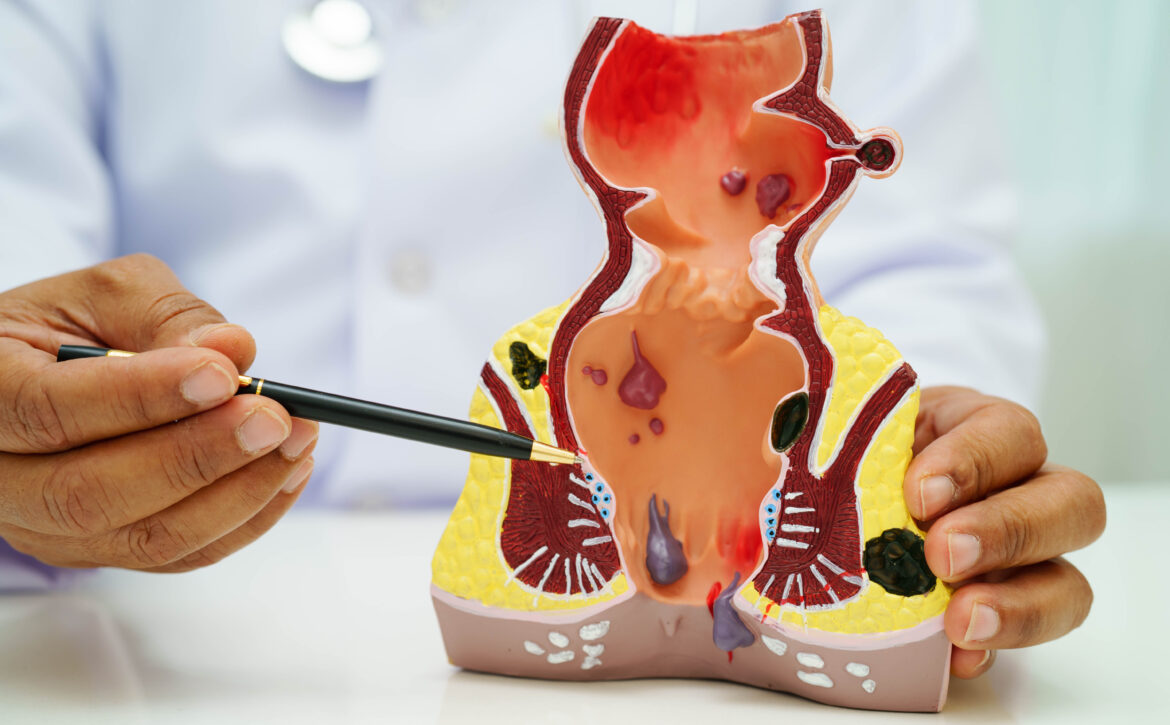
Ayurvedic Doctor for Piles, Fissure, and Fistula: Non-Surgical Healing & Ksharasutra Therapy Explained
An Ayurvedic doctor treats piles (hemorrhoids), anal fissures, and fistulas using holistic non-surgical procedures like Ksharasutra therapy, dietary correction, and herbal formulations. Ksharasutra uses a specially coated medicated thread to excise infected tissue while simultaneously promoting healing gradually. It offers a near-zero recurrence rate, minimal pain, no hospital admission, and preserves anal sphincter tone without open surgery.
Safe and Lasting Relief from Anorectal Conditions
Dealing with rectal pain, itching, or bleeding during bowel movements can severely impact your daily life. Many patients delay seeking medical attention due to embarrassment or fear of painful surgical operations.
Modern surgical procedures often come with risks like sphincter muscle damage, incontinence, and high recurrence rates. Fortunately, ancient Ayurvedic proctology offers proven, minimally invasive solutions that fix the root cause of these ailments.
In this guide, you will learn how specialized Ayurvedic care addresses anorectal disorders, how Ksharasutra therapy works, and how to choose the right natural treatment plan.
What Anorectal Disorders Does an Ayurvedic Doctor Treat?
Anorectal conditions affect the lower rectum and anal canal. While their symptoms may seem similar, each condition requires a unique approach.
1. Piles (Hemorrhoids / Arsha)
Piles occur when veins around the anus or lower rectum become swollen, inflamed, and enlarged.
- Internal Piles: Located inside the rectum; usually painless but cause bright red bleeding during bowel movements.
- External Piles: Form under the skin around the anus; cause severe swelling, pain, and discomfort when sitting.
2. Anal Fissure (Parikartika)
An anal fissure is a small crack or tear in the lining of the anal canal. It typically develops after passing hard stools, causing sharp, severe cutting pain and localized burning that lasts for hours after defecation.
3. Anal Fistula (Fistula-in-Ano / Bhagandara)
An anal fistula is an abnormal infected tunnel connecting an internal gland inside the anal canal to an external opening on the skin near the anus. It typically develops from an unresolved anal abscess and causes persistent pus drainage, pain, and skin irritation.
Piles vs. Fissure vs. Fistula: Key Differences
Understanding the differences helps identify your condition early:
| Characteristic | Piles (Hemorrhoids) | Anal Fissure | Anal Fistula |
| Primary Symptom | Painless bleeding or swollen tissue mass | Sharp, cutting pain during & after stool | Constant pus or blood discharge |
| Physical Form | Swollen vascular cushions | Linear tear/crack in the canal mucosa | Medicated tunnel/passage under the skin |
| Main Cause | Chronic constipation, heavy lifting, strain | Passing hard, dry stools | Infected anal gland or abscess |
| Pain Level | Mild to moderate (unless thrombosed) | Severe, intense burning pain | Throbbing ache with discharge |
How Does Ksharasutra Therapy Work?
Ksharasutra is a standardized Ayurvedic para-surgical procedure recognized globally for treating complex anorectal conditions, particularly fistulas and recurrent piles.
What Is the Medicated Thread?
The Ksharasutra thread is crafted by repeatedly coating a surgical linen thread (number 20) with natural therapeutic ingredients:
- Snuhi Ksheera (Euphorbia neriifolia latex) – Cuts and debrides unhealthy tissue.
- Apamarga Kshara (Achyranthes aspera alkaline ash) – Dissolves abnormal growths and acts as a chemical cautery.
- Haridra Powder (Curcuma longa / Turmeric) – Provides powerful anti-inflammatory and healing properties.
The Step-by-Step Procedure
- Diagnosis & Mapping: The Ayurvedic proctologist maps the tract using clinical probing or imaging.
- Thread Placement: Under local anesthesia, the medicated thread is passed through the fistula tract or tied around the hemorrhoidal base.
- Simultaneous Cutting & Healing: The alkaline coatings gradually cut through unhealthy tissue while simultaneously stimulating healthy granulation.
- Weekly Changing: The old thread is replaced with a fresh one every 7 days until the entire tract is completely healed from the inside out.
Why Choose Ayurvedic Treatment Over Open Surgery?
Patients frequently ask why non-surgical Ayurvedic care is preferred over conventional surgery. Here is how they compare:
| Evaluation Factor | Traditional Open Surgery | Ayurvedic Ksharasutra Therapy |
| Hospital Stay | Requires 2–5 days of hospitalization | Outpatient (OPD) procedure; same-day return home |
| Sphincter Damage | High risk of sphincter muscle injury | Zero risk of incontinence or sphincter damage |
| Recurrence Rate | 10% – 30% recurrence | Less than 1% to 2% recurrence rate |
| Post-Op Pain | Requires heavy painkillers & wound dressings | Minimal discomfort; normal daily work resumes quickly |
| Anesthesia | General or spinal anesthesia required | Local anesthesia or mild sedation |
Real Patient Case Examples
Case 1: Chronic Anal Fissure
- Patient Profile: A 34-year-old desk worker suffered from intense burning pain for 8 months.
- Treatment Plan: Herbal stool softeners, local Jatyadi Taila application, warm Sitz baths, and dietary fibre adjustments.
- Outcome: The tear healed completely within 3 weeks without surgical intervention.
Case 2: Recurrent High-Complex Fistula
- Patient Profile: A 48-year-old patient experienced two failed conventional surgical procedures.
- Treatment Plan: Standardized weekly Ksharasutra thread changes over 8 weeks.
- Outcome: Complete fistulous tract excision with zero recurrence and full sphincter control preserved.
Dietary & Lifestyle Habits for Faster Recovery
Ayurveda emphasizes Ahar (diet) and Vihar (lifestyle) as integral parts of healing anorectal conditions.
What to Eat (Pathya)
- High-Fiber Foods: Oats, green leafy vegetables, psyllium husk (Isabgol), and papaya.
- Hydration: Consume 3–4 liters of warm water daily to keep stools soft.
- Probiotics: Fresh buttermilk (Takra) blended with roasted cumin and rock salt improves digestion (Agni).
What to Avoid (Apathya)
- Spicy & Fried Foods: Excessive chili, deep-fried snacks, and refined flour (Maida).
- Extended Sitting: Avoid sitting on hard surfaces for long stretches without taking movement breaks.
- Straining: Never strain or force bowel movements.
Frequently Asked Questions
1. Is Ksharasutra therapy painful?
The procedure is performed under local anesthesia, so you feel minimal discomfort. Mild soreness following thread replacement subsides quickly with sitz baths and prescribed herbal analgesics.
2. How many days does it take to recover completely?
For fissures and mild piles, relief occurs within 1 to 2 weeks. For complex fistulas, healing time depends on the length of the fistula tract (typically cutting/healing proceeds at a rate of 0.5 to 1 cm per week).
3. Can piles and fissures be cured without surgery?
Yes. Over 85% of early-to-moderate piles and fissure cases heal using non-surgical Ayurvedic care, lifestyle corrections, and specialized topical remedies.
4. What is the recurrence rate after Ksharasutra therapy?
Scientific studies and clinical research show a recurrence rate of less than 2% for Ksharasutra treatment—significantly lower than conventional surgery.
5. Can I continue working during the treatment period?
Yes. Ksharasutra therapy is performed on an outpatient basis. Most patients resume regular light work activities within 24 to 48 hours.
Take the First Step Toward Natural Healing
Ignoring anorectal symptoms often causes mild fissures or hemorrhoids to progress into complex, painful fistulas. Seeking early advice from a specialized Ayurvedic proctologist ensures smooth, non-surgical recovery.
If you are experiencing pain, bleeding, or persistent discharge:
- Consult an Ayurvedic Specialist: Get your condition accurately diagnosed.
- Explore Non-Surgical Options: Discover how Ksharasutra therapy or customized herbal care can help you avoid major surgery.
- Visit authoritative resources like Anocure Anorectal Treatment to explore specialized non-surgical care options.
